
EARLY LIFE
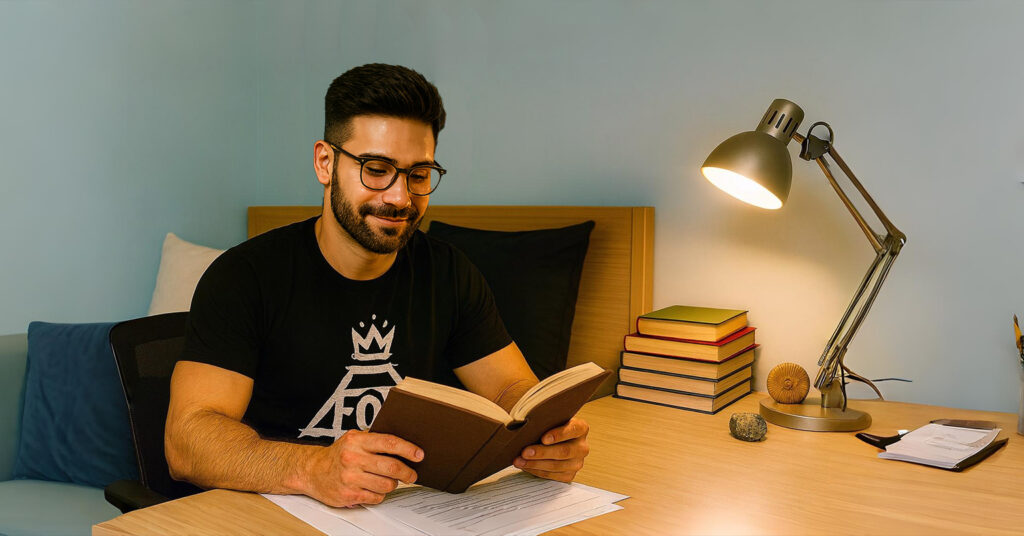
Stanley Conners grew up in Bozeman, Montana, where snowy winters and long summers gave him plenty of opportunities to sit inside with a book. His parents, Laura and Kevin Conners, noticed early that Stanley’s mind worked differently. While other toddlers learned colors and shapes, Stanley copied letters from cereal boxes and tried to sound out the words. By the time he reached elementary school, he was reading far above his grade level and often completed classroom work before the teacher had even finished giving instructions.
Laura, a school counselor, tried to keep him socially engaged. Kevin, a contractor, fed his curiosity by letting him tinker with old appliances and build small devices out of leftover parts. They encouraged exploration while giving him more structure than he realized he needed. Even so, Stanley struggled to fit in with kids his age. He was quiet, methodical, and often too absorbed in a thought to notice the world around him.
By middle school, his intelligence outpaced the school curriculum. He took summer classes at Montana State University, joined science clubs, and began filling entire notebooks with observations and sketches of anything that caught his attention. Stanley liked facts. He liked rules that made sense.
DINOSAUR OBSESSION
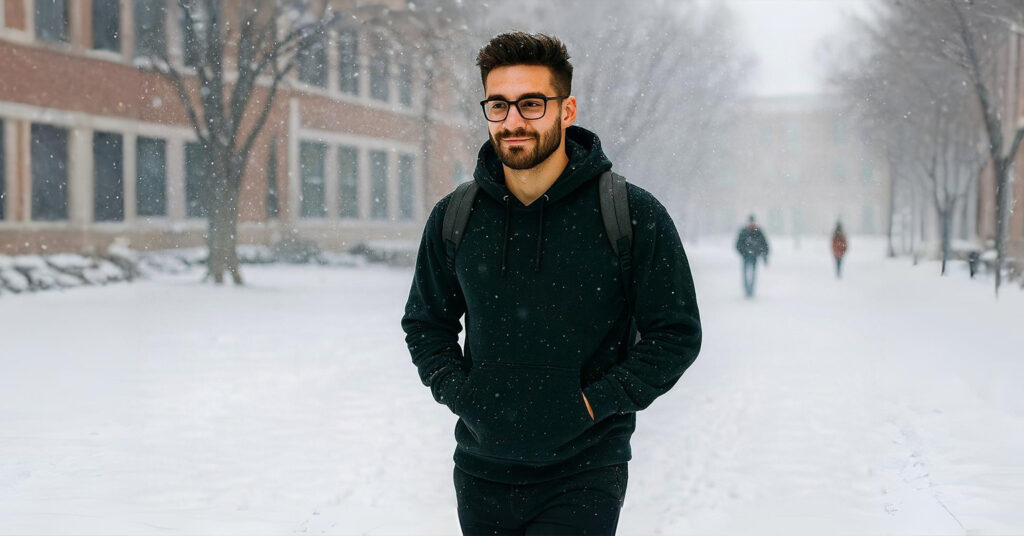
Stanley’s grandfather, Walter Conners, lived only a short drive away and became one of the most important influences in his life. Walter had once been a self-proclaimed fossil hunter who explored Montana’s badlands in his youth. He still kept shelves of old rock hammers, dusty plaster casts, and notebooks filled with sketches of long-forgotten dig sites. When he noticed his young grandson’s appetite for learning, he invited Stanley to join him on small weekend trips to search for fossils along creek beds and open ridges.
Those outings changed everything for Stanley. It did not matter that they rarely found anything more than broken shale or an occasional worn ammonite. What mattered was the process. Walter showed him how each layer of rock told a story and how ancient worlds could be pieced together from tiny fragments. Stanley became obsessed in the way only a gifted and lonely child can. He devoured books on ancient life, memorized species names, and read scientific papers that should have been far above his level.
Walter always carried a leatherbound field journal, filled with rough sketches and notes from decades earlier. He let Stanley flip through it whenever they sat together after their small excursions. Even as dementia slowly pulled his grandfather away, the journal remained a symbol of everything they shared. When Walter passed away during Stanley’s freshman year of high school, the loss shaped him deeply. From then on, paleontology was not just a passion. It became a connection to the one person who had truly understood him.
FRESHMAN YEAR AT UNIVERSITY OF MONTANA
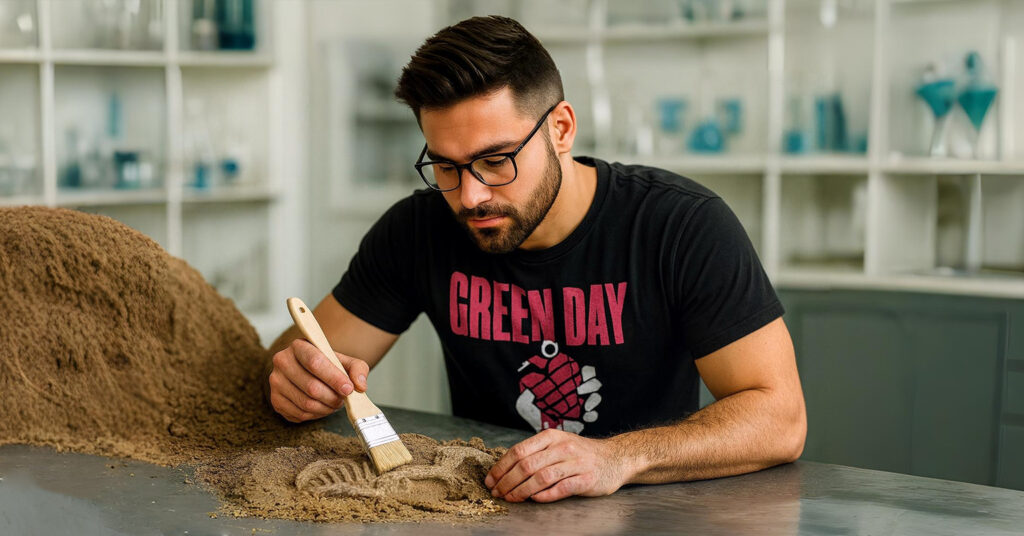
Given his academic abilities, it was no surprise when Stanley earned a full scholarship to the University of Montana. It was close to home and had a strong paleontology program, which made it the logical choice. Freshman year, however, exposed the cracks in Stanley’s foundation. He excelled in class but struggled socially. Dorm life overwhelmed him. Loud hallways, unpredictable people, and the constant pressure to make friends made him anxious. He often buried himself in coursework simply to avoid the confusion of navigating a new social environment.
Despite that, Stanley’s professors took note of his talent. He excelled in paleobiology labs and often stayed behind after class to ask questions. His early research papers were so detailed that one professor joked he should be grading the course instead of taking it. Yet Stanley felt increasingly restless. When a serious incident caused his academic career to be at risk, he knew he had to find somewhere else to start anew.
When Crestview University, a highly prestigious school in Maryland, offered him a significant academic scholarship, Stanley hesitated. Leaving Montana terrified him. But the school’s paleontology resources, combined with its connection to well-known research programs, were too promising to ignore. With the help of a paleontologist from a dig site Stanley worked at over the summers, a fresh start was underway.
MOVE TO CRESTVIEW UNIVERSITY
Arriving at Crestview was overwhelming at first. The campus was larger, the students more confident, and the expectations higher than anything he had known. Stanley fully intended to keep his head down and focus on his studies. That plan lasted exactly one hour, ending the moment he discovered that his assigned roommate was Jenna Hart, a cheerleader with bright eyes, a sharp tongue, and an energy that collided with his quiet, structured life. He had no idea then how much her presence would reshape him.